Exploring European Pet Food Industry Trends and Innovations
The pet food industry in Europe is undergoing a significant transformation. With pet ownership on the rise and consumers becoming increasingly conscious of their pets' health and well-being, the demand for high-quality, nutritious pet food is greater than ever. This blog post delves into the latest trends and innovations shaping the European pet food market, providing insights for pet owners, manufacturers, and retailers alike.
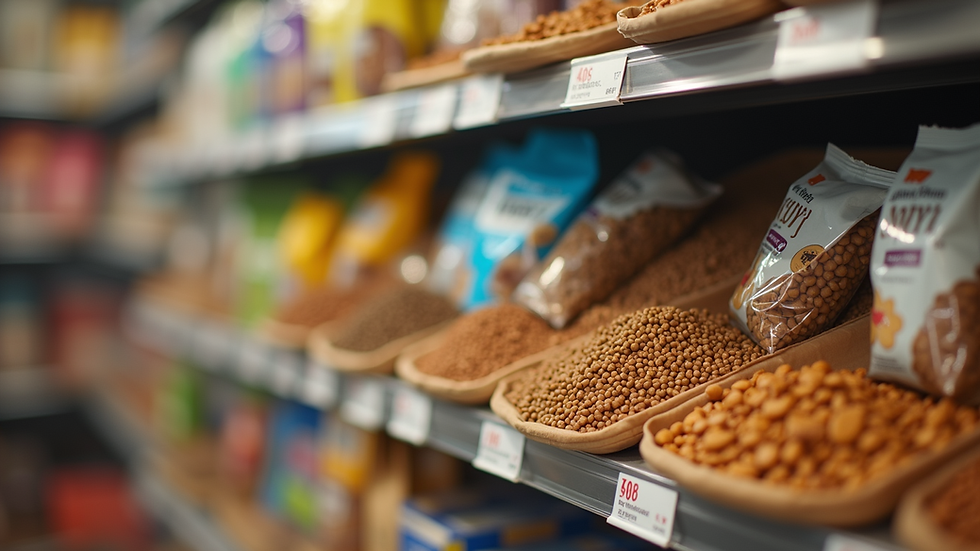
The Rise of Premium Pet Food
One of the most notable trends in the European pet food industry is the shift towards premium products. Pet owners are increasingly willing to spend more on high-quality food that promises better health benefits for their pets. This trend is driven by several factors:
Health Consciousness: Just as people are becoming more health-conscious about their diets, pet owners are seeking food that is free from artificial additives, fillers, and low-quality ingredients.
Natural Ingredients: There is a growing preference for pet food made with natural ingredients. Many brands are now emphasizing the use of whole foods, organic ingredients, and sustainable sourcing.
Specialized Diets: The demand for specialized diets, including grain-free, hypoallergenic, and breed-specific formulations, is on the rise. Pet owners are looking for products tailored to their pets' unique needs.
Sustainability in Pet Food Production
Sustainability is another critical trend influencing the European pet food market. As environmental concerns grow, both consumers and manufacturers are prioritizing eco-friendly practices. Key aspects of this trend include:
Sustainable Sourcing: Many companies are focusing on sourcing ingredients from sustainable farms and fisheries. This not only helps the environment but also appeals to eco-conscious consumers.
Packaging Innovations: Brands are exploring biodegradable and recyclable packaging options to reduce waste. This shift is essential as consumers increasingly demand environmentally friendly products.
Plant-Based Options: The rise of plant-based diets is not limited to humans. Many pet food brands are now offering plant-based options that cater to both pets and their environmentally aware owners.
Technological Advancements in Pet Food
Technology is playing a significant role in the evolution of the pet food industry. From production to marketing, innovations are making a substantial impact. Some notable advancements include:
Smart Pet Food: Companies are developing smart pet food that can monitor a pet's health and dietary needs. For example, some products come with sensors that track a pet's eating habits and provide insights to owners.
E-commerce Growth: The rise of online shopping has transformed how pet food is sold. Many brands are now focusing on direct-to-consumer sales through their websites and e-commerce platforms, making it easier for pet owners to access a wider variety of products.
Personalization: Advances in data analytics allow companies to offer personalized pet food recommendations based on a pet's age, breed, and health conditions. This tailored approach is gaining traction among pet owners seeking the best for their furry friends.
The Role of Regulation and Safety Standards
As the pet food industry grows, so does the need for stringent regulations and safety standards. In Europe, various organizations are working to ensure that pet food products meet high safety and quality standards. Key points include:
Regulatory Bodies: The European Food Safety Authority (EFSA) plays a crucial role in overseeing pet food safety. They establish guidelines for ingredient safety and labeling requirements.
Transparency: Consumers are demanding more transparency regarding the ingredients used in pet food. Brands that provide clear information about sourcing and production processes are likely to gain consumer trust.
Quality Assurance: Many manufacturers are investing in quality assurance programs to ensure their products meet safety standards. This includes regular testing and audits to maintain high-quality production practices.
Consumer Trends and Preferences
Understanding consumer preferences is vital for success in the pet food industry. Recent surveys and studies reveal several key insights into what pet owners are looking for:
Convenience: Busy lifestyles are driving the demand for convenient pet food options, such as ready-to-eat meals and subscription services that deliver food directly to consumers' doors.
Transparency and Trust: Pet owners want to know where their pet food comes from and how it is made. Brands that prioritize transparency in their marketing and labeling are more likely to build trust with consumers.
Health and Wellness: There is a growing focus on health and wellness, with pet owners seeking products that promote longevity and overall well-being. This includes functional ingredients that support joint health, digestion, and skin conditions.
Innovations in Pet Treats
The pet treat segment is also experiencing innovation, with brands introducing new flavors, textures, and health benefits. Some trends in this area include:
Functional Treats: Treats that offer health benefits, such as dental health or joint support, are becoming increasingly popular. Pet owners are looking for ways to enhance their pets' health through treats.
Unique Flavors: Brands are experimenting with unique flavors and ingredients to attract pet owners. From exotic meats to superfoods, the variety of options is expanding.
Homemade Treats: The trend of homemade pet treats is gaining traction, with many pet owners opting to make their own treats using natural ingredients. This trend reflects the desire for control over what pets consume.
The Future of the European Pet Food Industry
Looking ahead, the European pet food industry is poised for continued growth and innovation. Several factors will shape its future:
Increased Pet Ownership: The rise in pet ownership, particularly among younger generations, will drive demand for diverse and high-quality pet food options.
Focus on Health and Wellness: As pet owners become more aware of the importance of nutrition, the demand for health-focused products will continue to rise.
Sustainability Initiatives: The push for sustainability will likely lead to more eco-friendly practices and products, appealing to environmentally conscious consumers.
Conclusion
The European pet food industry is evolving rapidly, driven by consumer demands for quality, sustainability, and innovation. As pet owners become more discerning about their pets' diets, manufacturers must adapt to these changing preferences. By focusing on premium ingredients, sustainable practices, and technological advancements, the industry can continue to thrive in this competitive landscape.
As a pet owner, staying informed about these trends can help you make better choices for your furry companions. Whether it's opting for premium food, exploring sustainable options, or considering innovative products, the choices you make can significantly impact your pet's health and happiness.


Коментарі